
Flooded because the land was filled too low: punitive damages for the buyer
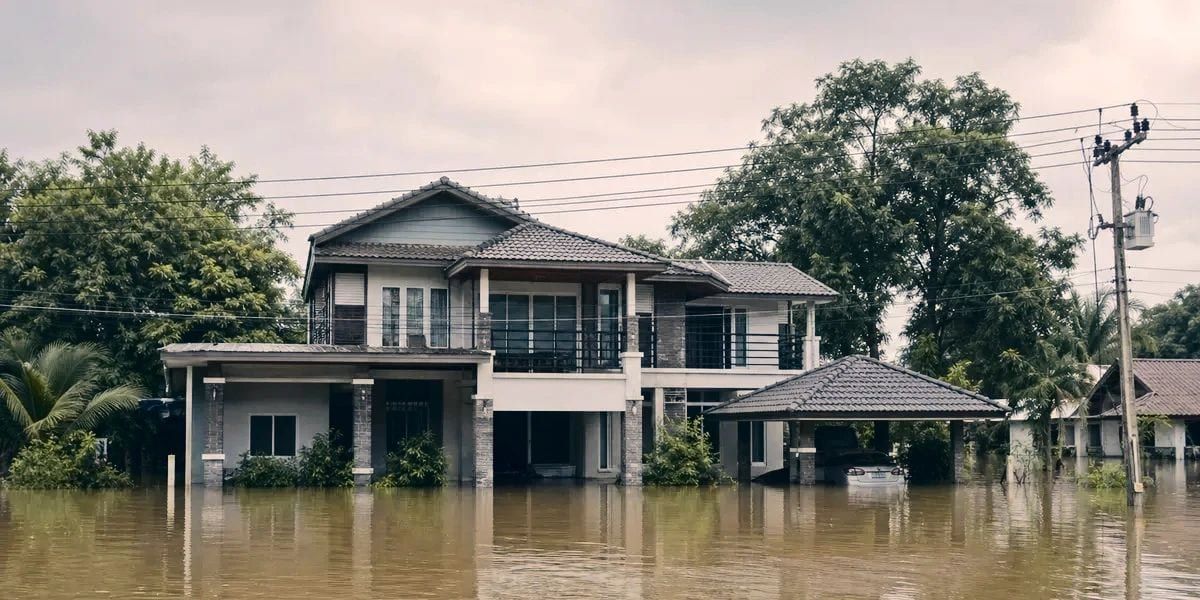
When an estate floods, residents often accept it as bad luck. Sometimes the cause is how the land was prepared. In this case the developer had filled the ground lower than its own approved plan, and the Supreme Court ordered it to pay a penalty on top of the buyer's losses.

In short
- The developer's approved plan required the ground floors to be 0.60 m above the road in front of the project. It was not.
- The court found the developer had taken unfair advantage of buyers and ordered punitive damages on top of actual damages.
- Punitive damages can be up to twice the actual damages, or five times if the actual damages are 50,000 baht or less.
What happened
The buyer bought a house and land in a premium housing estate on 30 September 2009. In October 2011, flood water entered the estate and the house.
The developer had applied for its allocation permit on the basis that the ground floor of the houses would be 0.60 metres above the public road in front of the project. In fact the ground in the estate, including around the buyer's house, was uneven and lower than the road, like the bottom of a pan.
The rule on punitive damages
Under section 42 of the Consumer Case Procedure Act, if a business:
- intentionally takes unfair advantage of consumers,
- deliberately causes them harm,
- acts with gross negligence about the harm it may cause, or
- breaches the responsibility expected of a professional business the public relies on,
the court may order it to pay punitive damages on top of the actual damages. The court considers the harm to the consumer, the benefit to the business, its financial position, whether it tried to limit the harm and whether the consumer contributed to it.
Punitive damages may be up to twice the actual damages. If the actual damages are 50,000 baht or less, they may be up to five times.
Find the levels in the plan. The approved project plan states the required ground levels. If your estate floods, ask the land allocation committee for the plan and have an engineer measure the actual levels.
What the Supreme Court decided
In decision No. 2065/2563, the Supreme Court found that:
- The developer's houses and land were sold at a high price, yet the roads and ground in the estate were lower than the public road, contrary to the sale contract and the permit application.
- The developer had intended from the start not to follow the contract and its permit application, taking unfair advantage of consumers for commercial gain without regard to the harm.
The developer was ordered to pay 1,000,000 baht in damages with interest at 7.5% a year (the statutory rate at the time), plus 500,000 baht in punitive damages, half of the actual damages.
What this means for buyers
- The approved plan is the benchmark. A developer that builds below it is in breach, whatever the sales brochure says.
- Punitive damages are paid to the consumer, not to the state. They exist to discourage businesses from treating buyers this way.
- If your estate floods, check the plan before assuming nothing can be done. Where several houses are affected, the residents' juristic person may be able to act for them.
Legal references
- Consumer Case Procedure Act B.E. 2551 (2008), section 42
- Supreme Court decision No. 2065/2563 (2020)
This explainer gives general information about Thai law as at 14 October 2026. It is not advice on your situation. Interest rates and amounts in court decisions reflect the law when each decision was made. Contact the office before you act.